
Weight Loss Foods: What to Eat
Discover science-backed nutrition guidance to support your health journey. Learn which foods genuinely help you feel your best.
Understanding Nutrition for Wellness
Eating well isn't about restriction—it's about choosing whole, nutrient-dense foods that support your body's natural functions. The right foods provide sustained energy, improve digestion, and help you maintain a healthy weight naturally.
Our editorial team has researched proven nutritional approaches to help you make informed choices about what you eat every day. Whether you're looking to build better eating habits or understand food labels, we provide evidence-based guidance.
This isn't medical advice—it's practical information to empower your everyday food choices. Always consult with a healthcare professional for personalised nutrition guidance.

Key Food Categories for Balanced Eating
Lean Proteins
Chicken, fish, eggs, legumes and Greek yoghurt provide essential amino acids and keep you feeling full longer while supporting muscle health.
Whole Grains
Brown rice, oats, quinoa and whole wheat bread deliver fibre and nutrients while providing steady energy throughout your day.
Vegetables
Broccoli, spinach, carrots, peppers and leafy greens are low in calories but high in vitamins, minerals and satiating fibre.
Healthy Fats
Avocados, nuts, seeds and olive oil provide essential fatty acids needed for hormone balance and nutrient absorption.
Why Smart Food Choices Matter
Sustained Energy
Whole foods with fibre and protein prevent energy crashes and keep you alert throughout the day without sugary peaks and valleys.
Improved Digestion
Fibre-rich foods support healthy gut function, regular digestion and a balanced microbiome that contributes to overall wellbeing.
Natural Fullness
Nutrient-dense foods satisfy hunger more effectively than processed alternatives, making it easier to maintain healthy eating patterns naturally.
Quality Sleep
Foods containing magnesium and B vitamins help regulate sleep cycles and improve rest quality, supporting better recovery.
Mental Clarity
Omega-3s, antioxidants and stable blood sugar from whole foods support cognitive function and mental wellbeing throughout the day.
Long-Term Health
Consistent healthy eating builds sustainable wellness habits that support your health goals for years to come naturally.
Healthy Meal Examples

Protein-Balanced Plate
Grilled chicken breast, steamed broccoli, sweet potato, and olive oil create a nutrient-complete meal that supports satiety and muscle maintenance.
- ✓ Lean protein for fullness
- ✓ Complex carbs for energy
- ✓ Vegetables for micronutrients

Plant-Based Power Bowl
Quinoa, roasted chickpeas, mixed greens, cucumber, and tahini dressing deliver complete proteins and essential fats in one colourful meal.
- ✓ Complete plant-based protein
- ✓ High fibre for digestion
- ✓ Sustained energy release

Omega-3 Rich Dinner
Salmon provides omega-3 fatty acids crucial for brain and heart health, paired with asparagus for vitamins and minerals that support overall function.
- ✓ Omega-3 fatty acids
- ✓ Supports cardiovascular health
- ✓ Brain-supporting nutrients

Probiotic Breakfast
Greek yoghurt with fresh berries and whole grain granola combines probiotics for gut health with antioxidants and sustained-release carbohydrates.
- ✓ Probiotics for digestion
- ✓ Antioxidants from berries
- ✓ Protein-rich start to day

Hearty Vegetable Soup
Minestrone or lentil soup packed with vegetables and legumes is low-calorie, filling, and rich in fibre that supports natural fullness.
- ✓ Low calorie density
- ✓ High fibre content
- ✓ Hydrating and warming
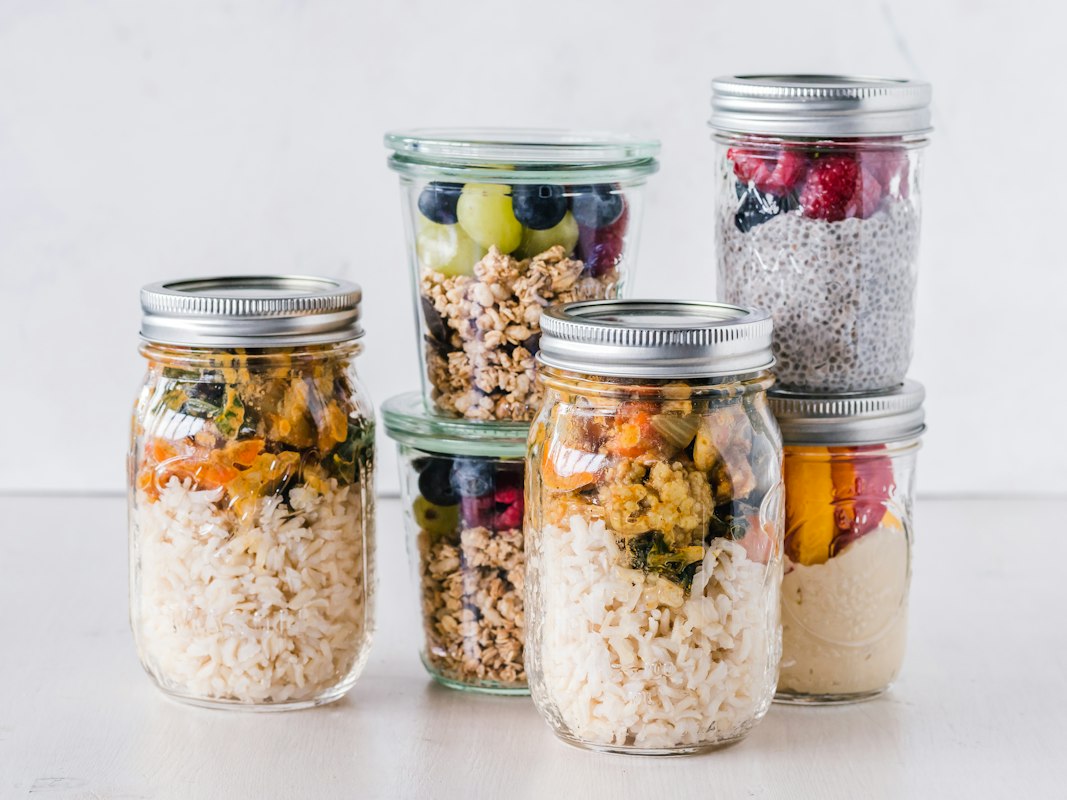
Nutrient-Dense Salad
Spinach, kale, walnuts, and olive oil dressing provide vitamins, minerals, and healthy fats that support nutrient absorption and sustained energy.
- ✓ Maximum micronutrients
- ✓ Healthy fats for absorption
- ✓ Low-calorie volume
How to Begin Your Nutritional Journey
Assess Your Habits
Keep a food diary for a week to understand your current eating patterns, portion sizes, and which foods make you feel best.
Start Small Changes
Replace one processed food per week with a whole food alternative. Small, consistent changes are more sustainable than dramatic overhauls.
Learn Label Basics
Understand nutrition labels—look for fibre content, added sugar, and ingredient lists. Choose foods with recognisable ingredients.
Monitor Your Response
Notice how different foods affect your energy, digestion, and how you feel. Everyone's body responds uniquely to nutrition.
Common Questions About Weight Loss Foods
Protein and fibre are the two nutrients most effective at promoting satiety. Lean meats, fish, eggs, Greek yoghurt, legumes, whole grains, vegetables, and nuts all rank highly for fullness per calorie. Eating these foods with adequate hydration helps you feel satisfied with appropriate portions naturally.
Reader Stories
"This article completely changed how I think about eating. I was trying strict diets before, but learning about protein and fibre actually helped me eat more and feel better. No more feeling deprived—just choosing foods that genuinely satisfy me. The practical meal examples made it so easy to apply."
— Sarah Mitchell, Manchester
"I appreciate how this content focuses on whole foods rather than supplements or quick fixes. My energy levels are noticeably better, and I've finally found a sustainable approach. The section on label reading was particularly useful—now I actually understand what I'm buying at the supermarket."
— James Robertson, Leeds
"As someone with digestive issues, the information about fibre and whole foods has been genuinely helpful. I'm making better choices, my digestion has improved significantly, and I feel more energised throughout the day. This publication treats readers like intelligent people who want real information, not marketing."
— Emma Thompson, Birmingham
Start Your Nutritional Learning Today
Explore detailed articles about specific foods, meal planning strategies, and evidence-based nutrition guidance. Our editorial team continuously publishes new content to help you make informed choices about your health.
This is an informational publication. For personalised dietary advice, consult with a qualified healthcare professional.